 Watch video



 Sign in with Google
YouTube News
How to get a banned YouTube channel back: YouTube’s Second Chance explained

If you’re searching for how to get a banned YouTube channel back, YouTube just changed the game. For the first time in nearly 20 years the platform has introduced a pilot called the Second Chance program that lets certain terminated creators make a comeback. There are limits, of course, and creators returning under the “Second Chance” program will want to do things by the books.
This guide walks through what changed, who qualifies, how to apply, and practical steps to rebuild safely from zero.
The ‘Second Chance’ title highlights the program name and theme.

Get an unfair advantage on YouTube
Give your YouTube channel the upper hand and easily optimize for more views, more subs, and more of every metric that matters.
Table of Contents
- What changed: a true second chance (but not a restoration)
- Who can apply and who cannot
- How the process works — step by step
- Key restrictions you must know
- Appeal vs second chance: which path should you take?
- Practical tips for rebuilding safely and quickly
- What this means for creators and platform governance
- Frequently asked questions
- Next steps and helpful resources
What changed: a true second chance (but not a restoration)
YouTube’s Second Chance program is a measured policy shift: terminated channels can now apply to rejoin the platform after a waiting period, but approval does not restore the original channel. Think of it as permission to start over rather than a reversal of the original termination.
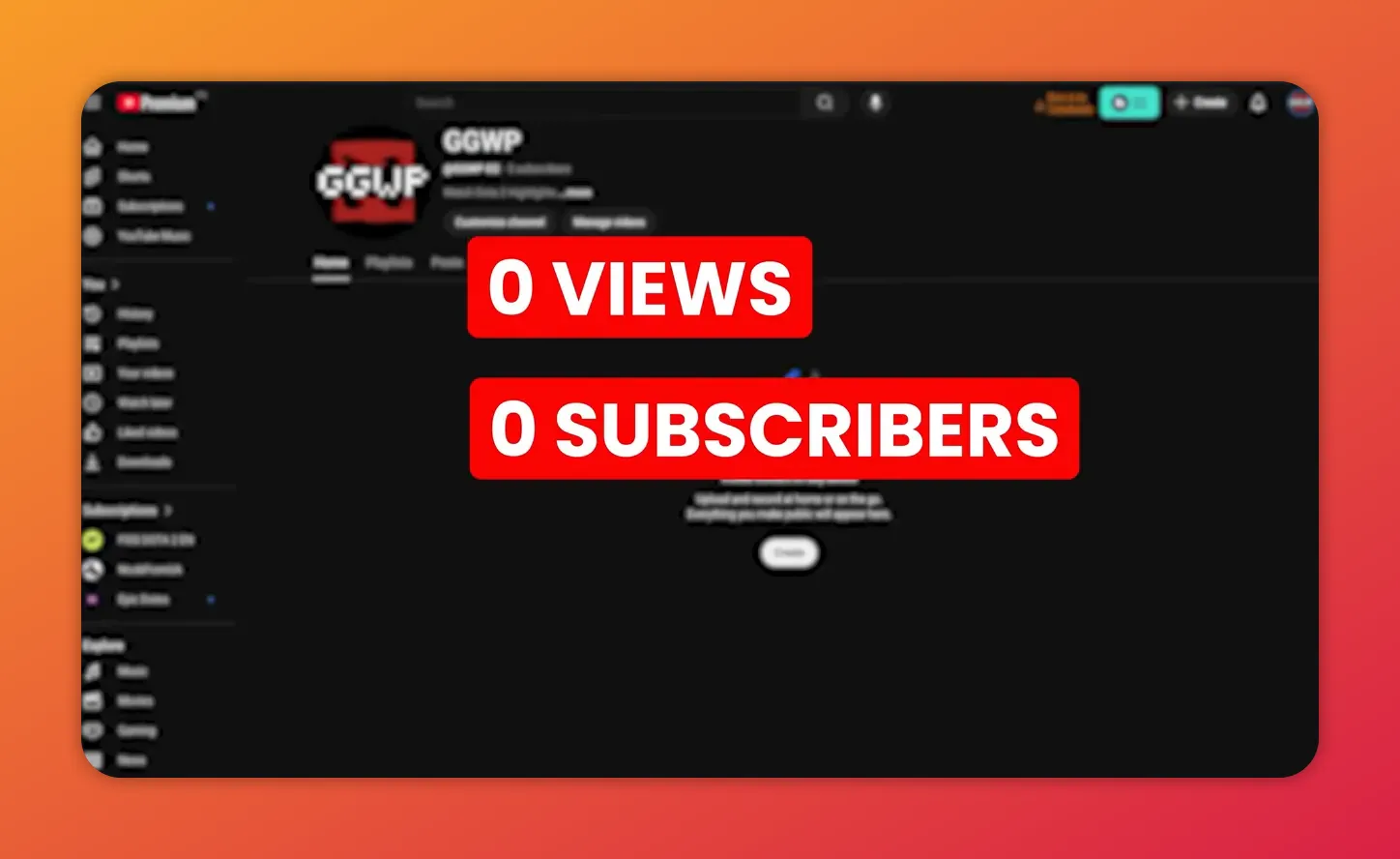
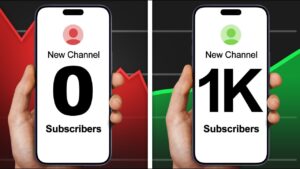
A brand-new channel starts at 0 views and 0 subscribers.
Who can apply and who cannot
- Eligible: creators whose channels were terminated for community-guideline violations (but not for copyright or the most serious safety violations).
- Not eligible: channels terminated for copyright strikes or severe safety violations related to harming children or terrorism — these remain permanently ineligible.
- Timing: you must wait one full year from the termination date before requesting a new channel under the program.
For background reading on YouTube’s community rules and policy changes, see YouTube Community Guidelines: https://www.tubebuddy.com/blog/youtube-community-guidelines-your-guide and for copyright distinctions, see https://www.tubebuddy.com/blog/whats-the-difference-between-a-copyright-strike-and-a-copyright-claim/.
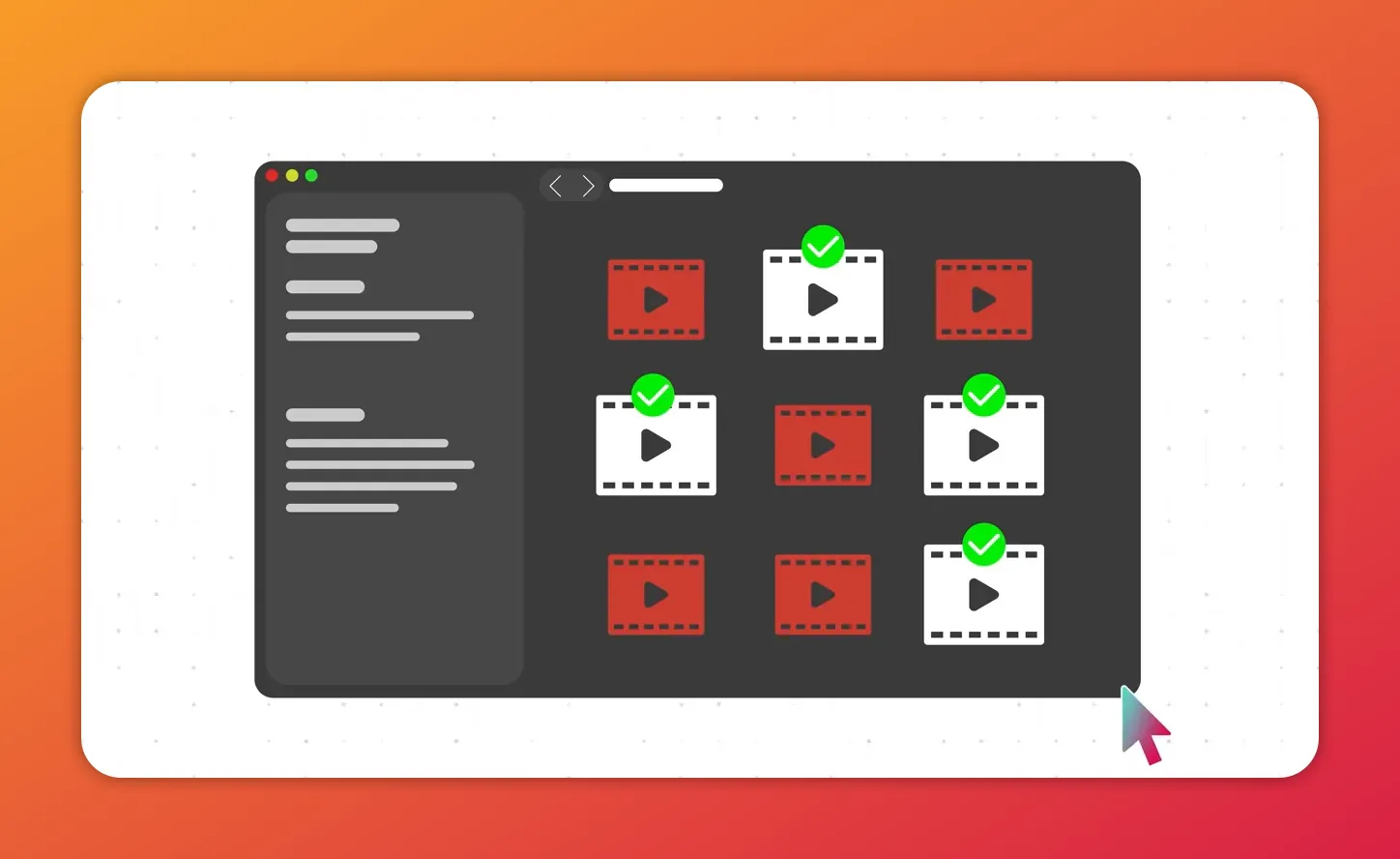
Illustration of content review and eligibility checks in YouTube Studio.
How the process works — step by step
- Log into YouTube Studio using the credentials of your terminated channel.
- If eligible, you’ll see a new prompt labeled request new channel — note: the rollout is gradual and may not be visible to everyone immediately.
- YouTube reviews the application, considering the original violations, their severity, and whether you’re likely to comply going forward.
- You’ll get an email confirming approval or denial. If approved, you start a brand-new channel: zero subscribers, zero views, zero videos.
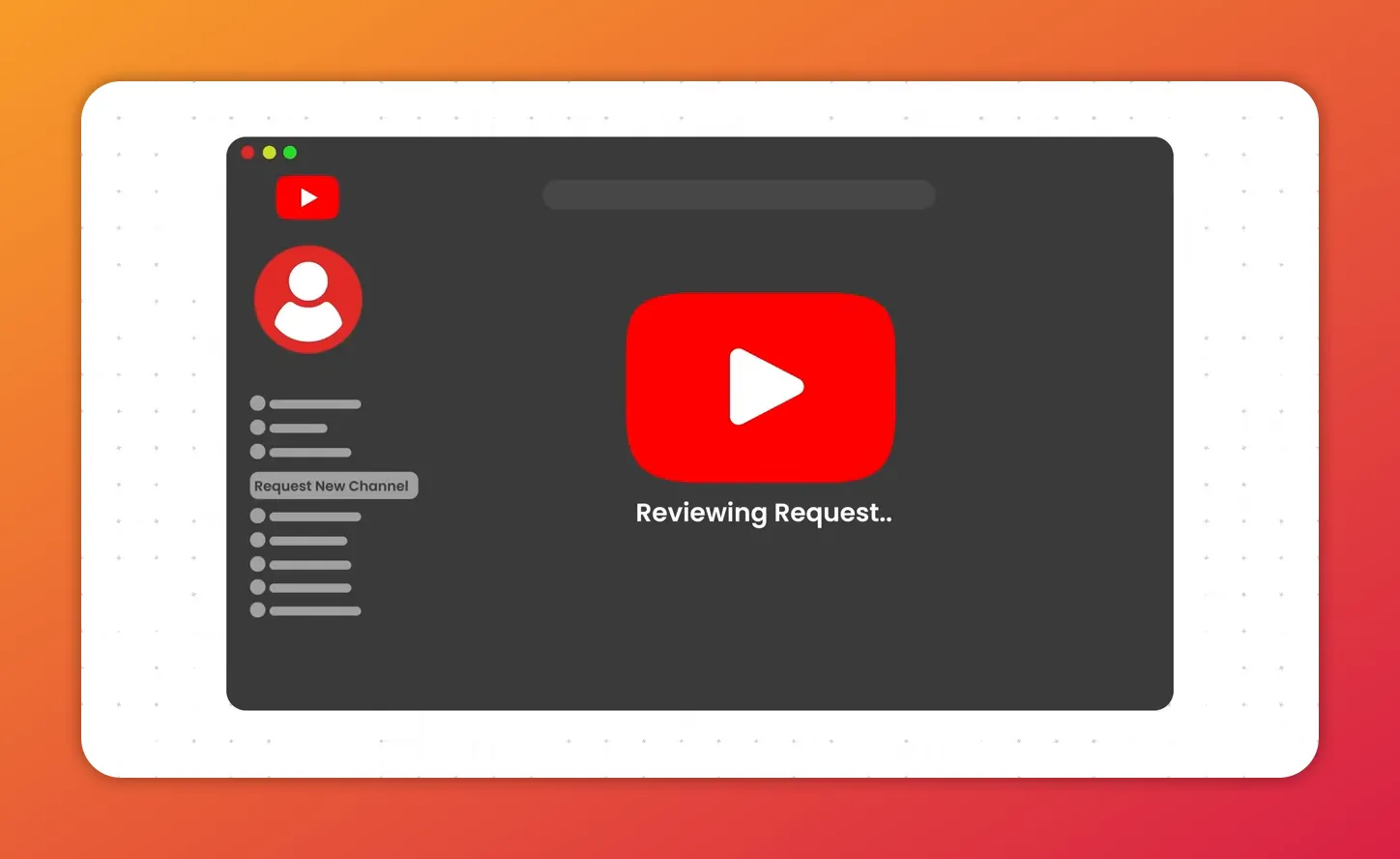
Reviewing Request — YouTube assesses the application before approval.
Key restrictions you must know
- You do not get your old channel or its subscribers back. The program grants permission to create a new channel only.
- Copyright terminations are excluded because copyright enforcement is a legal obligation for YouTube.
- Some egregious safety violations remain permanently disqualifying.
- Any videos you upload must comply with current community guidelines; you may re-upload old material only if it no longer violates rules.
- Monetization is not automatic — you must requalify for the YouTube Partner Program by meeting thresholds again.
YouTube is reviewing your request — decisions happen before a new channel is allowed.
Appeal vs second chance: which path should you take?
If you believe your original termination was wrongful, your first and best move is to appeal through YouTube’s existing appeals process. That is the only route to get the original channel, with its history and subscribers, restored. The Second Chance program is intended for creators who accept that they broke rules and want a controlled path back onto the platform after a full year.
For creators starting anew, check TubeBuddy‘s guides on launching and growing channels: https://www.tubebuddy.com/blog/how-to-start-a-youtube-channel-tips/ and content strategies like repurposing videos: https://www.tubebuddy.com/blog/repurpose-youtube-content-for-tiktok-and-reels/.
Two choices: appeal the termination or apply for YouTube’s Second Chance.
Practical tips for rebuilding safely and quickly
- Audit your old content before re-uploading. Remove or edit anything that could trigger a guideline strike.
- Relearn the rules — read YouTube’s latest guidance on community policies (https://blog.youtube) and TubeBuddy’s deep dives on policy and creator strategy: https://www.tubebuddy.com/blog/youtube-news-community-guidelines-deep-dive/.
- Focus on original, value-first content and consistent publishing to regain momentum.
- Use Shorts and repurposed clips to accelerate discovery while you rebuild long-form content.
- Plan monetization as a second phase: requalify for the YouTube Partner Program by hitting the required watch time and subscriber thresholds again. See https://www.tubebuddy.com/blog/youtube-partner-program/ for guidance.
What this means for creators and platform governance
The Second Chance program signals a shift toward rehabilitation and adaptability in platform moderation. YouTube recognizes policies evolve and that past violations may not reflect a creator’s present conduct. That said, YouTube is keeping strict boundaries where legal and safety obligations demand it — particularly with copyright and severe harm-related content.
Frequently asked questions
Who can actually apply for the Second Chance program?
Creators whose channels were terminated for community-guideline violations (excluding copyright strikes and the most serious safety breaches) can apply one year after termination.
Will my old subscribers and videos be restored if I get approved?
No. Approval grants a brand-new channel only. You start at zero and must re-upload any allowable videos and rebuild your audience.
Why are copyright terminations excluded?
Copyright enforcement involves legal obligations and takedown procedures that YouTube cannot reverse through a platform-level forgiveness program.
Can I appeal my termination instead of waiting a year?
Yes—if you believe the termination was wrongful, appeal immediately. Appeals are the only way to restore the original channel and its history.
Do I automatically get monetization on a new channel?
No. New channels must meet YouTube Partner Program thresholds again before monetization is available.
Next steps and helpful resources
If your goal is how to get a banned YouTube channel back, start by deciding whether to appeal (to try to restore the old channel) or prepare to apply to the Second Chance program after a year. Use TubeBuddy’s resources to plan a safe relaunch and growth strategy: TubeBuddy Blog homepage: https://www.tubebuddy.com/blog/ and check creator strategy pieces like https://www.tubebuddy.com/blog/top-five-tips-to-get-seen/ to help rebuild an audience faster.
For official policy updates and creator-facing guidance, consult YouTube’s creator blog: https://blog.youtube.
Bottom line: The Second Chance program is a legitimate path back for many creators, but it’s a fresh start — not a restoration. Prepare carefully, follow the rules, and use proven growth strategies to rebuild.
Get an unfair advantage on YouTube
Give your YouTube channel the upper hand and easily optimize for more views, more subs, and more of every metric that matters.